
Commentary on Proverbs 18:21
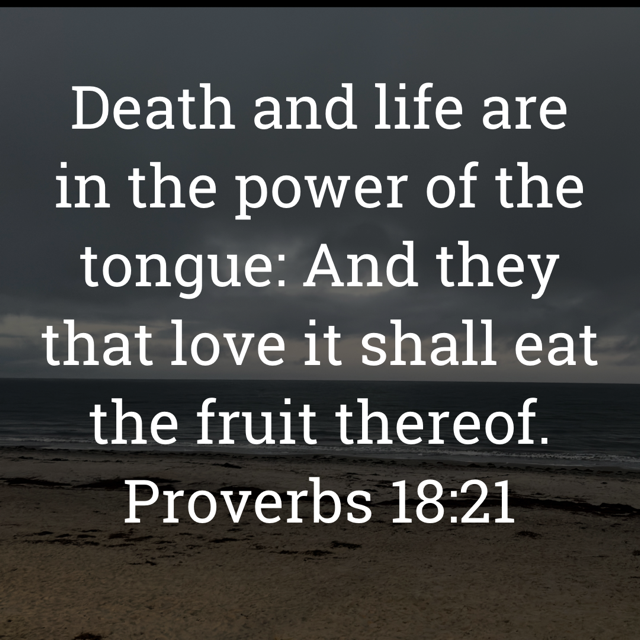
Proverbs 18:21 “Death and life are in the power of the tongue: and they that love it shall eat the fruit thereof.”
✣ Concise Takeaway
Proverbs 18:21 teaches that human speech carries profound moral and spiritual consequence. Words can destroy or give life, and those who delight in speaking will inevitably bear the results of what they say.
This is not a claim that speech has mystical creative force, but a sober, covenantal warning: God holds people accountable for their words, and words shape relationships, communities, and character.
1. Immediate Context: Proverbs 18
Proverbs 18[i] is a collection of wisdom sayings that emphasise the power of speech, the danger of folly, and the value of humility and righteousness. Several verses in this chapter illuminate verse 21:
- Proverbs 18:4
“The words of a man’s mouth are as deep waters, and the wellspring of wisdom as a flowing brook.” Words can be profound and nourishing when shaped by wisdom. - Proverbs 18:6–7
“A fool’s lips enter into contention, and his mouth calleth for strokes. A fool’s mouth is his destruction, and his lips are the snare of his soul.” Foolish speech invites conflict and self-ruin. - Proverbs 18:8
“The words of a talebearer are as wounds, and they go down into the innermost parts of the belly.” Gossip harms deeply and silently. - Proverbs 18:13
“He that answereth a matter before he heareth it, it is folly and shame unto him.” Rash speech exposes pride and ignorance. - Proverbs 18:20
“A man’s belly shall be satisfied with the fruit of his mouth; and with the increase of his lips shall he be filled.” Words produce consequences that return to the speaker.
Verse 21 is the climax of this theme: speech is not merely influential; it is morally weighty.
2. Exegetical Analysis of Proverbs 18:21
2.1 “Death and life”
These terms represent the extremes of human experience. In Hebrew wisdom literature, they often symbolise:
- Death
ruin, relational breakdown, moral corruption, divine judgement. - Life
flourishing, peace, righteousness, covenantal blessing.
Speech can lead to either outcome. Words can crush a person’s spirit, destroy reputations, provoke violence, or harden hearts. Conversely, words can encourage, reconcile, teach truth, and lead others to Christ.
2.2 “Are in the power of the tongue”
The “power” here is not magical or creative in the sense of divine fiat. The tongue is a metonym (figure of speech in which something is referred to not by its own name, but by the name of something closely associated with it) for speech, and its “power” refers to:
- Influence
words shape relationships and communities. - Moral accountability
God judges speech (Matthew 12:36–37). - Consequences
speech sets in motion actions and reactions.
The verse aligns with the broader biblical witness:
- James 3:5–6
“Even so the tongue is a little member, and boasteth great things. Behold, how great a matter a little fire kindleth! And the tongue is a fire, a world of iniquity…” - Ephesians 4:29
“Let no corrupt communication proceed out of your mouth, but that which is good to the use of edifying…”
Speech is a moral act. It reveals the heart and directs the path of life.
2.3 “They that love it shall eat the fruit thereof”
To “love” the tongue means to delight in speaking, especially speaking freely, frequently, or carelessly. The “fruit” is the outcome of one’s words:
- Blessing or harm
- Peace or conflict
- Righteousness or sin
- Honour or shame
The verse warns that those who indulge in speech without restraint will inevitably face the consequences of what they say.
3. Theological Teaching
3.1 Human speech reflects the heart
Jesus teaches that speech flows from the inner person:
- Matthew 12:34
“For out of the abundance of the heart the mouth speaketh.”
Speech reveals spiritual condition. A redeemed heart produces gracious words; a corrupt heart produces destructive ones.
3.2 Speech is accountable before God
God hears every word spoken. Words are not trivial; they are moral acts that will be judged.
- Matthew 12:36–37
“Every idle word that men shall speak, they shall give account thereof in the day of judgement.”
3.3 Speech is a means of grace
God uses human words to proclaim the gospel, encourage believers, and build the church.
- Romans 10:17
“So then faith cometh by hearing, and hearing by the word of God.”
Speech can be life-giving when aligned with Scripture.
3.4 Speech can be an instrument of sin
The Fall affects the tongue as much as any other part of human nature. Gossip, slander, deceit, boasting, and harshness are manifestations of sin.
The gospel transforms speech by transforming the heart.
4. Application to Modern Christian Living
4.1 Cultivate disciplined speech
Christians should practise restraint, listening carefully before speaking, and choosing words that reflect Christlike character.
Practical steps:
- Pause before responding.
- Ask whether your words will build up or tear down.
- Avoid speculation, exaggeration, and gossip.
- Speak truth with gentleness.
4.2 Use words to give life
Life-giving speech includes:
- Encouragement
- Prayer
- Scripture
- Reconciliation
- Testimony
- Honest kindness
In workplaces, families, churches, and online spaces, Christians should be known for speech that heals rather than harms.
4.3 Recognise the danger of digital speech
Social media amplifies the consequences of words. Proverbs 18:21 applies directly to online communication.
Guidelines:
- Do not post in anger.
- Avoid sarcasm that wounds.
- Refuse to participate in gossip or public shaming.
- Speak with integrity even when anonymous.
4.4 Confess sinful speech and seek renewal
When words have caused harm, Christians should:
- Confess sin to God.
- Seek forgiveness from those harmed.
- Make restitution where possible.
- Pray for the Spirit’s sanctifying work.
4.5 Speak the gospel
The most life-giving words a Christian can speak are those that proclaim Christ crucified and risen. Evangelism is an act of life-giving speech.
5. Meditation Guide
5.1 Reflection
Sit quietly and consider:
- What words have I spoken recently that brought life?
- What words have caused harm?
- What patterns of speech reveal my heart?
- Where do I need repentance and renewal?
5.2 Prayer
Ask God:
- To guard your tongue (Psalm 141:3).
Set a watch, O LORD, before my mouth; keep the door of my lips.
- To fill your heart with Christlike love.
- To make your speech a blessing to others.
- To help you speak the gospel boldly and graciously.
5.3 Practice
Choose one relationship or context today where you will intentionally speak life-giving words. Commit to silence rather than harmful speech. Memorise Proverbs 18:21 and recall it before difficult conversations.
[i] Proverbs 18
King James Version
18 Through desire a man, having separated himself, seeketh and intermeddleth with all wisdom.
2 A fool hath no delight in understanding, but that his heart may discover itself.
3 When the wicked cometh, then cometh also contempt, and with ignominy reproach.
4 The words of a man’s mouth are as deep waters, and the wellspring of wisdom as a flowing brook.
5 It is not good to accept the person of the wicked, to overthrow the righteous in judgment.
6 A fool’s lips enter into contention, and his mouth calleth for strokes.
7 A fool’s mouth is his destruction, and his lips are the snare of his soul.
8 The words of a talebearer are as wounds, and they go down into the innermost parts of the belly.
9 He also that is slothful in his work is brother to him that is a great waster.
10 The name of the LORD is a strong tower: the righteous runneth into it, and is safe.
11 The rich man’s wealth is his strong city, and as an high wall in his own conceit.
12 Before destruction the heart of man is haughty, and before honour is humility.
13 He that answereth a matter before he heareth it, it is folly and shame unto him.
14 The spirit of a man will sustain his infirmity; but a wounded spirit who can bear?
15 The heart of the prudent getteth knowledge; and the ear of the wise seeketh knowledge.
16 A man’s gift maketh room for him, and bringeth him before great men.
17 He that is first in his own cause seemeth just; but his neighbour cometh and searcheth him.
18 The lot causeth contentions to cease, and parteth between the mighty.
19 A brother offended is harder to be won than a strong city: and their contentions are like the bars of a castle.
20 A man’s belly shall be satisfied with the fruit of his mouth; and with the increase of his lips shall he be filled.
21 Death and life are in the power of the tongue: and they that love it shall eat the fruit thereof.
22 Whoso findeth a wife findeth a good thing, and obtaineth favour of the LORD.
23 The poor useth intreaties; but the rich answereth roughly.
24 A man that hath friends must shew himself friendly: and there is a friend that sticketh closer than a brother.
Discover more from Daily bible verses
Subscribe to get the latest posts sent to your email.


You must be logged in to post a comment.